


The Mediterranean Diet is a way of eating inspired by the traditional cuisines of countries bordering the Mediterranean Sea — such as Italy, Greece, Spain, and southern France. It’s not a strict diet plan, but rather a lifestyle built around wholesome, natural foods, moderate portions, and mindful eating habits that have been associated with longer life expectancy, better heart health, and overall well-being.
In essence, it focuses on plant-based foods, healthy fats, lean proteins, and fresh, minimally processed ingredients. Researchers discovered that people from these regions had significantly lower rates of heart disease and obesity — despite consuming moderate amounts of fats and even wine — leading scientists to explore what made this pattern of eating so powerful.
🫒 The Core Principles
The Mediterranean Diet emphasizes balance and variety rather than restriction. Here’s what defines it:
1. Plenty of Plant Foods
Vegetables, fruits, legumes, nuts, seeds, and whole grains form the foundation. These provide fiber, vitamins, minerals, and antioxidants that protect against chronic disease.
Examples:
-
Tomatoes, cucumbers, spinach, kale, onions, zucchini
-
Lentils, chickpeas, beans
-
Whole grains like oats, quinoa, barley, and brown rice
-
Almonds, walnuts, and sunflower seeds
2. Healthy Fats
The primary source of fat is extra virgin olive oil, which is rich in monounsaturated fats and polyphenols — compounds that reduce inflammation and improve cholesterol levels. Other healthy fats come from avocados, nuts, and fatty fish.
3. Lean Protein Sources
Protein mainly comes from fish and seafood, eaten at least twice a week. Poultry, eggs, and dairy (like yogurt and cheese) are consumed in moderation. Red meat is eaten occasionally and in small portions.
4. Moderate Dairy and Red Wine
Traditional Mediterranean cultures enjoy moderate amounts of cheese and yogurt. Red wine is often consumed in moderation — typically one glass per day with meals — though it’s optional and should never be encouraged for non-drinkers.
5. Minimal Processed Foods
Highly processed foods, added sugars, and refined grains are rare in this diet. Instead, meals are made from scratch using fresh, local ingredients.
6. Mindful and Social Eating
Eating slowly, sharing meals with family or friends, and appreciating food are key cultural aspects of the Mediterranean lifestyle. This mindful approach helps improve digestion, satisfaction, and emotional well-being.
🥗 Typical Mediterranean Meals
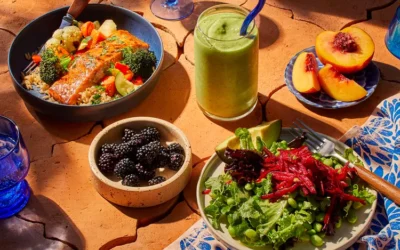
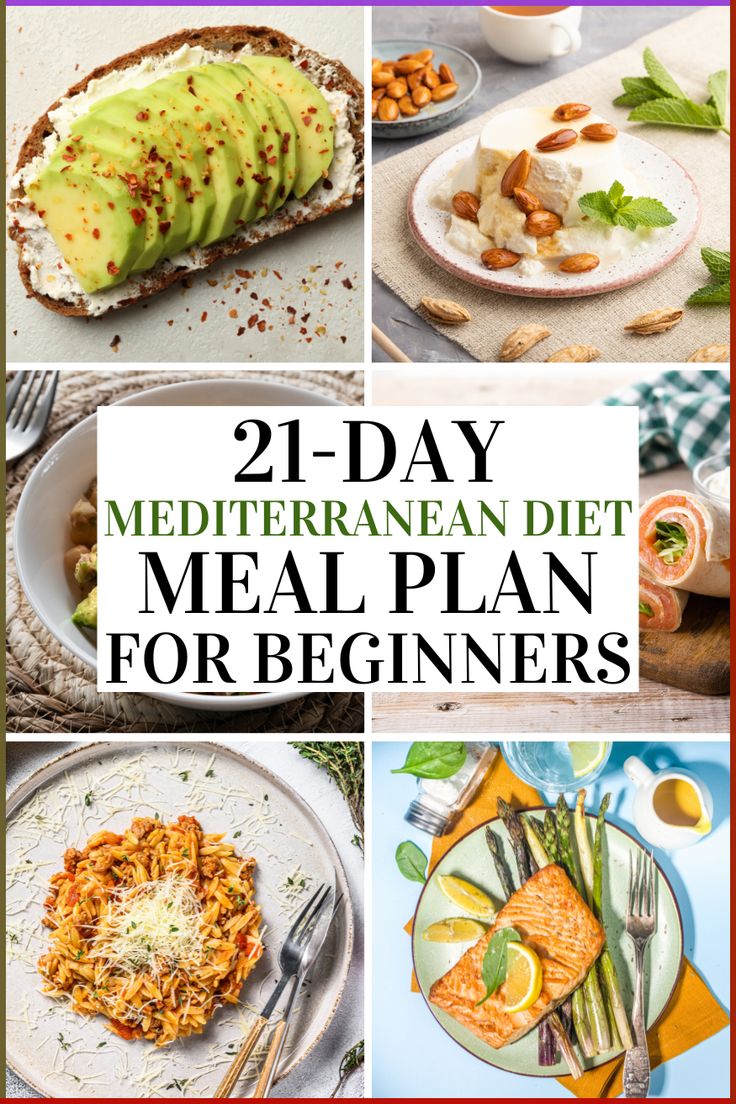
A day of eating might look like this:
Breakfast:
-
Greek yogurt topped with berries, honey, and walnuts
-
Whole-grain toast drizzled with olive oil and a slice of tomato
Lunch:
-
Mixed green salad with olives, feta cheese, and grilled chicken
-
A side of whole-grain pita bread
Dinner:
-
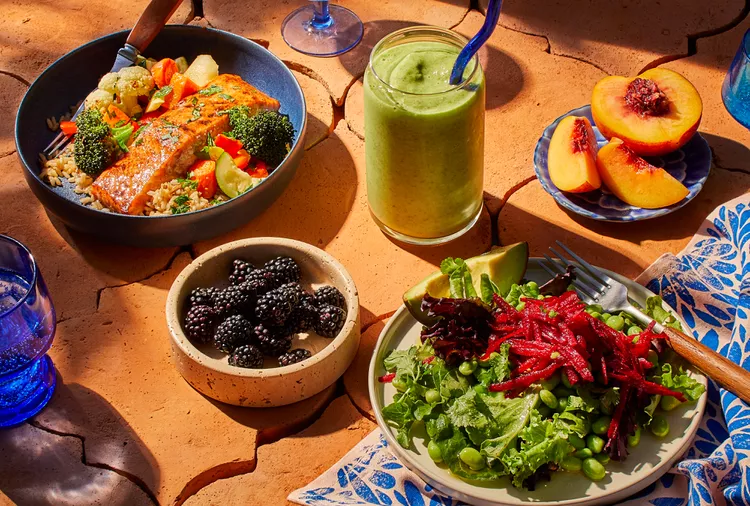
Grilled salmon with steamed vegetables and quinoa
-
A glass of red wine (optional)
Snacks:
-
A handful of almonds or olives
-
Fresh fruit
This pattern provides a steady source of nutrients, energy, and flavor without overloading the body with sugars or saturated fats.
💪 Health Benefits of the Mediterranean Diet
The Mediterranean Diet has been one of the most scientifically studied eating patterns in the world. Countless studies have linked it to impressive health benefits:
1. Heart Health
It lowers the risk of cardiovascular disease by improving cholesterol ratios, reducing inflammation, and supporting healthy blood vessels. Olive oil and fish are particularly important due to their heart-friendly fats.
2. Weight Management
Although not designed as a “weight-loss diet,” many people lose weight naturally because the foods are nutrient-dense, high in fiber, and help control appetite.
3. Reduced Risk of Type 2 Diabetes
Whole grains, legumes, and olive oil stabilize blood sugar levels, making this diet ideal for diabetes prevention and management.
4. Brain Health
Research suggests it lowers the risk of cognitive decline and Alzheimer’s disease thanks to antioxidants, omega-3 fatty acids, and anti-inflammatory nutrients.
5. Longevity
People following this diet tend to live longer and maintain better quality of life as they age. It promotes not just physical health, but also mental and emotional well-being.
6. Better Gut Health
High fiber intake from fruits, vegetables, and legumes supports a healthy microbiome, which influences digestion, immunity, and even mood.
🧠 The Mediterranean Mindset
One unique aspect of this diet is its philosophy. It’s not about calorie counting or food guilt — it’s about enjoyment, moderation, and connection. People in Mediterranean cultures typically eat:
-
Seasonally: Fresh produce that changes throughout the year.
-
Locally: Supporting regional farmers and traditional foods.
-
Socially: Meals are shared, never rushed.
-
With gratitude: Appreciating food as nourishment and pleasure.
This mindful, balanced approach is part of why it’s sustainable long-term — it feels natural, not restrictive.
🍷 Is Red Wine Required?
Not at all. While moderate wine consumption (especially red wine) is traditional in Mediterranean countries and may offer heart-protective antioxidants like resveratrol, it’s not essential. Many of the same benefits come from grapes, berries, and other plant foods. Non-drinkers can skip alcohol entirely without losing any nutritional advantage.
🧂 Key Foods to Embrace and Limit
Eat More Of:
-
Vegetables and fruits (aim for variety and color)
-
Whole grains (brown rice, barley, oats)
-
Legumes (beans, lentils, chickpeas)
-
Nuts and seeds
-
Olive oil
-
Fish and seafood
-
Herbs and spices for flavor instead of salt
Eat in Moderation:
-
Poultry, eggs, cheese, and yogurt
-
Red wine (if consumed)
Limit:
-
Red meat and processed meats
-
Butter, cream, and refined oils
-
White bread, pastries, and sugary drinks
-
Fast food and packaged snacks
🍋 Practical Tips to Start
-
Switch your fats: Replace butter and margarine with olive oil.
-
Eat fish twice a week: Salmon, sardines, or mackerel are best.
-
Add color: Fill half your plate with vegetables and fruits.
-
Choose whole grains: Swap white bread or pasta for whole-grain versions.
-
Snack smart: Nuts, fruits, or Greek yogurt instead of chips or sweets.
-
Cook at home: Prepare meals using fresh ingredients instead of processed ones.
-
Share meals: Enjoy food with others to make it more meaningful.
🌞 Conclusion
The Mediterranean Diet is more than a way of eating — it’s a way of living that combines delicious food, social connection, and respect for the body. Grounded in natural, nutrient-rich foods and mindful enjoyment, it has stood the test of time as one of the healthiest, most sustainable diets on Earth.
It’s not about perfection, but about consistency — filling your plate with vibrant, fresh, and balanced foods that nourish your body and spirit. Whether your goal is to improve health, prevent disease, or simply enjoy life more, the Mediterranean Diet offers a path that is both scientifically sound and deeply satisfying.

0 Comments